

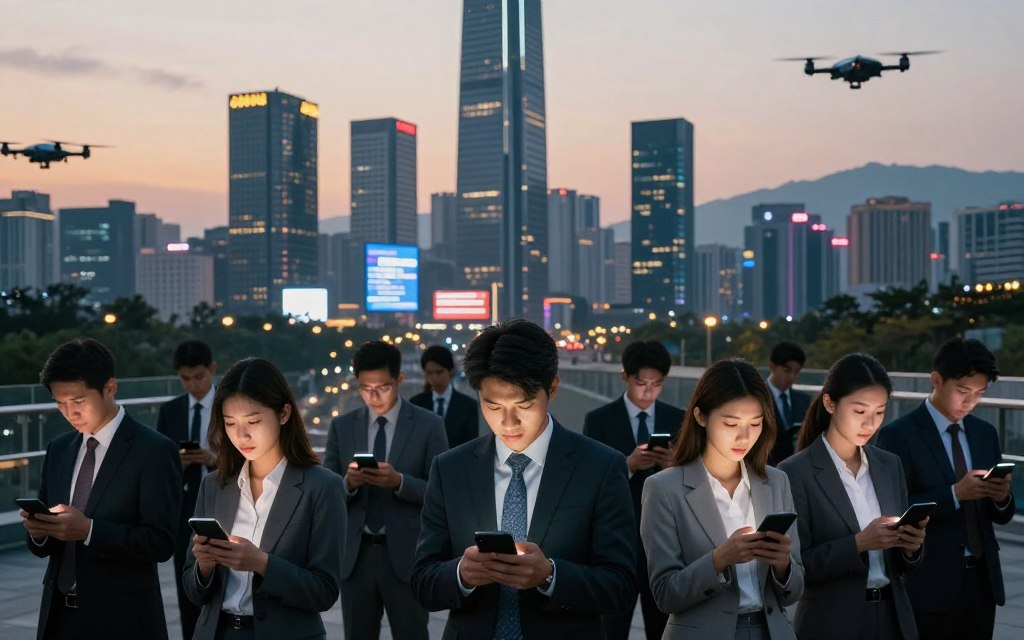
Is there too much technology in daily life? Smartphones, artificial intelligence, social media, and the Internet of Things shape our routines. The average American spends over seven hours each day on screens.
That number shows why technology saturation deserves closer study. This article explores the benefits and drawbacks of living in a digital world. We examine digital world benefits and drawbacks through mental health, privacy concerns, workplace productivity, and children’s development.
Rather than demonizing advances, we ask whether today’s digital engagement remains sustainable. Understanding technology’s effects is crucial as we navigate this digital landscape. We examine technology’s transformative effects and the risks it may bring.
Key Takeaways
- Modern life is heavily influenced by digital tools and platforms.
- Average screen time for Americans exceeds seven hours daily.
- Key themes include mental health, privacy, and productivity.
- The goal is to evaluate the sustainability of our current digital engagement.
- Understanding both benefits and drawbacks is essential for informed choices.
The Digital Transformation of Modern Society
Digital technology has transformed American society in ways previously unimaginable. Over the past three decades, people moved from desktop computers to mobile devices. Modern society technology now includes broadband internet and cloud computing in daily activities.
According to the Pew Research Center, approximately 85% of Americans now own a smartphone. Broadband adoption has also exceeded 90% of households in the United States. Technology adoption in the United States brings unprecedented convenience and connectivity to banking, shopping, and healthcare with a few clicks.
As technology enters daily life, it has changed education and entertainment. Online learning platforms and streaming services now shape how people consume information and media. However, this digital transformation raises concerns about society’s ability to adapt quickly to technological changes.
We will examine the emerging issue of technology saturation, defined in the next section. For further insights into how technology reshapes fields, read more about integrated science and technology.
Defining Technology Saturation in the 21st Century
Technology saturation refers to the overwhelming use of digital tools in everyday life. The technology saturation definition includes so many devices and platforms that managing them becomes difficult. Digital overload then becomes a major concern, affecting attention spans and overall well-being.
Psychologist Craig Brod coined the term technostress. It describes stress and anxiety from technology’s constant presence, while people feel pressure to stay connected. For instance, the average American checks their phone approximately 96 times a day, showing our digital habits can become compulsive.
Related Posts:




Measures of technology saturation include the average number of connected devices per person and daily screen time. Research shows many people juggle multiple devices, creating an “always-on” culture. This environment creates cognitive burden as notifications and information streams compete for attention.
Digital platforms often use variable reward mechanisms to encourage compulsive use. This psychological effect shows how technology can shape behavior, making the technology saturation definition important to understand. Technology saturation concerns more than technology’s existence; it also involves its intensity and intrusion into daily life.
For more insights on this topic, you can refer to the detailed analysis here.
The Benefits of Living in a Digital World
The benefits of digital technology improve how we interact and find opportunities. Digital tools change how we connect, learn, and work.
Enhanced Communication and Global Connectivity
Zoom, WhatsApp, and social media have changed communication. They connect people in real time, whatever their location. Families across continents stay close, while businesses work across borders. This global connectivity strengthens communities and supports international partnerships.
Access to Information and Educational Resources
Digital technology makes knowledge easier for everyone to access. Khan Academy, Coursera, and open-access academic journals offer millions quality education at little or no cost. This access helps learners from all backgrounds gain skills and advance their careers.
Innovation in Healthcare and Medicine
Digital healthcare innovation has greatly improved patient care. Telemedicine supports remote visits, and wearable monitors provide real-time patient data. AI-assisted diagnostics and electronic health records also make care more efficient. The rapid development of mRNA vaccines during the COVID-19 pandemic shows technology’s power in healthcare.
Economic Growth and Career Opportunities
E-commerce and remote work have reshaped the job market. According to the U.S. Bureau of Labor Statistics, tech-related jobs are among the fastest-growing fields. The gig economy offers flexible work, letting people choose their terms. This technology economic growth supports economic stability and prosperity.
| Benefit | Description | Impact |
|---|---|---|
| Enhanced Communication | Real-time connection through digital platforms | Strengthens relationships and fosters collaboration |
| Access to Education | Online resources available for free or low cost | Empowers learners and increases skill acquisition |
| Healthcare Innovation | Telemedicine and AI diagnostics | Improves patient care and health outcomes |
| Economic Opportunities | Growth of e-commerce and gig economy | Increases job flexibility and economic stability |
The benefits of living in a digital world are substantial, but we must also consider technology’s possible drawbacks. For a deeper understanding of technology’s effects on society, visit this article.
The Drawbacks of Excessive Technology Use
Technology is part of daily life, but it brings challenges and risks. Heavy reliance on digital devices can harm personal well-being and society. This section examines the major drawbacks of excessive technology use.
Mental Health Challenges and Digital Fatigue
Research links heavy social media use to higher rates of anxiety, depression, and loneliness. The American Psychological Association links constant screen exposure to digital fatigue. This fatigue often comes from pressure to stay connected and constant online information.
Privacy Concerns and Data Vulnerabilities
Privacy remains a major issue in our tech-driven world. The 2017 Equifax data breach affected 147 million Americans and exposed weaknesses in digital systems. Tech companies also track personal data, raising serious privacy concerns because users may not understand its use.
Social Isolation and Weakened Human Bonds
Despite seeming connected, excessive technology use can cause social isolation. Studies show fewer close friendships and more loneliness when digital interactions replace face-to-face connections. This shift shows how social isolation technology can weaken human bonds and hinder meaningful relationships.
Environmental Costs of Digital Infrastructure
The environmental impact of technology is another urgent concern. Data centers use vast amounts of energy, add carbon emissions, and cryptocurrency mining worsens this problem. Electronic waste may reach 74 million metric tons worldwide by 2030, creating serious sustainability challenges.
| Issue | Impact | Statistics |
|---|---|---|
| Mental Health | Increased anxiety and depression | 70% of heavy users report fatigue |
| Privacy | Data breaches and tracking | 147 million affected by Equifax breach |
| Social Isolation | Decline in friendships | 40% report feeling lonely |
| Environmental Impact | Energy consumption and e-waste | 74 million metric tons of e-waste by 2030 |
Technology improves life in many ways, but its drawbacks remain significant. Addressing them requires conscious effort and balanced technology use.

Is There Too Much Technology? Examining the Evidence
In today’s digital age, asking whether we use too much technology matters more than ever. American adults spend an average of 7 hours and 4 minutes each day on screens. Teenagers spend nearly 9 hours daily on entertainment media, raising concerns about technology’s effects. These screen time statistics show why technology overuse deserves attention.
Research shows that moderate technology use can improve communication and access to information. However, excessive use links to mental health issues and social isolation. The World Health Organization recognizes gaming disorder as a legitimate concern, adding to technology overuse evidence and the need for awareness.
Studies also show threshold effects from technology use. Moderate engagement can support learning and connection, but crossing limits may cause harm. Growing research links problematic smartphone use to feelings of anxiety and depression.
The question of “is there too much technology?” has no simple yes-or-no answer. The issue depends less on the amount and more on the quality, context, and intentionality behind our use. Technology itself is neutral, but our usage patterns may exceed healthy limits, requiring reflection from individuals and society.
The Role of Social Media in Technology Saturation
Today, social media drives the overwhelming presence of technology in daily life. Facebook, Instagram, and TikTok keep users engaged, creating constant connectivity that can feel hard to escape. This social media saturation makes technology feel unavoidable.
This pattern reflects the psychology of constant connectivity, as platforms use variable reward schedules and infinite scrolling. Behavioral psychologist B.J. Fogg says these features create dopamine-driven feedback loops. Notifications and personalized content strengthen users’ desire to stay connected, making disconnection feel almost impossible.
The Psychology of Constant Connectivity
Social media meets more than the need to stay informed; it also taps deeper psychological needs. Constant updates and interactions can cause anxiety and inadequacy as users compare themselves with curated online images. This constant connectivity psychology can cause digital fatigue and pressure to stay engaged.
Misinformation and Digital Manipulation
Another concern is misinformation digital manipulation, especially when false content shapes public views. Algorithms often promote sensational, polarizing content, which can distort public views and weaken trust in institutions. The Cambridge Analytica scandal showed how data can be weaponized to influence opinions and behaviors.
During the COVID-19 pandemic, social media spread health misinformation and complicated public health efforts. This shows the urgent need for accountability within social media companies and user education about online information risks.
Social media businesses often value engagement over user well-being, making technology seem excessive. Reform needs two steps: hold platforms accountable and empower users to navigate digital spaces responsibly.
Technology in the Workplace: Productivity vs. Burnout
Technology can boost productivity, but workplace technology burnout is a growing risk. Remote work has changed how employees connect with their jobs, bringing flexibility and new challenges. Slack, Microsoft Teams, and Zoom support smooth communication, but they can create an “always-on” culture.
Many remote workers feel pressure to answer messages outside traditional work hours. This pressure can extend the workday and increase burnout. A recent survey found that over 60% of remote employees feel work-life balance suffered as personal and professional boundaries blurred.
Remote Work and the Blurring of Boundaries
Remote work can offer flexibility, but remote work boundaries often remain unclear. It may improve work-life balance in theory, yet many employees still struggle to disconnect. Clear limits can protect mental health and support productivity.
Automation and Job Displacement Concerns
As technology advances, automation creates serious challenges for workers. The McKinsey Global Institute predicts that up to 30% of current work activities could be automated by 2030. This change may create jobs in emerging fields, but automation job displacement could affect manufacturing and retail workers.
Organizations must respond with retraining programs and policies that support workers during career transitions. A proactive approach can reduce automation’s harm while using technology to improve productivity.
| Impact of Technology | Positive Effects | Negative Effects |
|---|---|---|
| Remote Work | Flexibility, Increased Productivity | Burnout, Blurred Boundaries |
| Automation | Efficiency, Job Creation in New Fields | Job Displacement, Skills Gap |
| Communication Tools | Enhanced Collaboration | Constant Connectivity Stress |
Technology can greatly raise workplace productivity, but it also requires new plans for burnout and job displacement. Organizations and governments must act effectively to build a balanced work environment.
Children, Education, and Screen Time
In today’s digital world, concerns about children screen time affect parents and educators. As technology enters education, the cognitive development digital age connection deserves attention.
Cognitive Development in a Digital Age
Research shows that too much screen time can harm children’s attention span, language development, and executive function. The American Academy of Pediatrics recommends these limits:
- No screen time for children under 18 months.
- Limited screen time for children aged 2 to 5 years.
- Consistent limits for children aged 6 years and older.
High-quality educational content can improve learning. However, passive use and multitasking may weaken deep cognitive processing. Children should use technology in meaningful ways.
Balancing Technology and Traditional Learning
Schools must use digital tools without losing hands-on, social, or physical learning experiences. Successful blended learning models show how technology can support traditional methods. Key strategies include:
- Providing teacher training in digital literacy.
- Encouraging interactive and collaborative learning.
- Implementing age-appropriate design standards for educational content.
A technology in education balance can use technology’s educational benefits while limiting its harms. Parental guidance and school policies help families navigate this digital landscape.
Finding Balance: Strategies for Healthy Technology Use
To thrive in a digital world, people need strategies for healthy technology use. Many families face technology overload, which can cause stress and distraction. Effective habits can help people regain control of their digital lives.
Digital Detox Practices and Mindful Consumption
Engaging in digital detox practices can improve mental clarity and emotional well-being. Consider these simple strategies:
- Scheduled Screen-Free Hours: Designate specific times each day to unplug from all devices.
- Weekend Digital Detox: Take a break from technology during weekends to reconnect with family and nature.
- Use of Apps: Utilize apps like Freedom or Forest to limit access to distracting websites.
Mindfulness is key to changing digital habits. Notice when you check your phone, then choose activities like reading or exercising.
Setting Boundaries with Personal Devices
Setting device boundaries is crucial for a healthy balance with technology. These practical tips can help:
- Turn Off Non-Essential Notifications: This reduces distractions and helps maintain focus.
- Keep Phones Out of the Bedroom: This promotes better sleep and reduces nighttime distractions.
- Designate Tech-Free Zones: Create areas in your home where technology is not allowed.
- Use Grayscale Mode: This can make your device less visually appealing and reduce usage.
Parents should model these behaviors for children. Family media plans encourage healthy technology habits for everyone.
Authors like Cal Newport say digital minimalism is gaining popularity. Balance does not mean eliminating technology; it means using it with purpose and limits.
| Strategy | Description | Benefits |
|---|---|---|
| Screen-Free Hours | Designate times without screens | Improved focus and relaxation |
| Weekend Detox | Take breaks from technology | Enhanced family bonding |
| App Limitations | Use apps to block distractions | Increased productivity |
The Future of Technology: Sustainable Innovation
The future of technology depends on our ability to innovate in sustainable and responsible ways. As the world grows more digital, the need for sustainable technology innovation is more urgent than ever. This work reduces harm while preserving technology’s benefits.
One major area of progress is the growth of green data centers. These facilities use renewable energy to reduce their carbon footprint. For instance, Google has committed to operating on carbon-free energy by 2030, setting an example for other tech giants.
Companies like Apple are also leading by using recycled materials in their products. This commitment to a circular economy emphasizes repairability and recycling. It helps ensure that technology is reused instead of discarded.
Artificial intelligence may help address environmental challenges. It can optimize energy grids and monitor deforestation, helping tackle urgent global issues. However, technological advances alone cannot solve problems of saturation.
As we build a responsible tech future, changes in consumer behavior and corporate accountability remain crucial. Sustainability, equity, and human well-being must guide technological progress. These principles can lead us toward a brighter future.

Policy and Ethical Considerations in a Digital World
Technology’s rapid growth calls for careful policy and ethics review. Governments, industries, and civil societies must work together to address technology saturation. This cooperation is central to technology policy ethics.
The European Union’s General Data Protection Regulation (GDPR) sets strict rules for data protection and privacy. It influences how organizations handle personal information.
The California Consumer Privacy Act (CCPA) gives consumers greater control over their data. These rules show the need for strong digital privacy regulation across the United States. Similar federal legislation could protect consumers nationwide as technology advances.
Ethical questions about artificial intelligence (AI) are also critical. Algorithmic bias, facial recognition, and autonomous decisions raise concerns about fairness and accountability. The Algorithmic Justice League promotes transparency, equity, and AI ethics in technology design.
The digital divide remains a serious issue. Low-income and rural communities often lack access to digital innovation but still face its harmful effects. Bridging this gap can help everyone join the digital economy.
A multi-stakeholder approach must balance innovation with consumer protection, privacy, and equity. Strong regulation and ethical technology design can help the digital world serve the public interest.
Conclusion
As we navigate our digital landscape, is there too much technology? We must weigh its benefits against mental health, privacy, social isolation, and environmental concerns. Technology enhances communication, provides vast information access, and drives innovation in healthcare and economic growth.
Finding a digital world balance can build a healthier relationship with technology. Evidence suggests that individuals and communities may benefit from using technology more intentionally. Instead of calling technology good or bad, we should examine its effects on our lives and well-being.
Readers should review their digital habits and consider the strategies discussed earlier. Mindful consumption and device boundaries can create a healthier environment for us and future generations. Policies supporting ethical, sustainable technology will also help shape a positive digital future.
Ultimately, technology’s future depends on our collective choices. As we move forward, human well-being should guide technological progress. The technology saturation conclusion is unclear, but our approach can greatly affect our lives.